Sambal Oelek vs Sambal: What’s the Difference?
People use “sambal” and “sambal oelek” as if they mean the same thing — they don’t. Here is the difference, in plain terms, and when to reach for each.
The quick answer
Sambal oelek is a basic chilli paste — mostly just ground chilli, salt and a little vinegar. “Sambal” in Malaysia is a whole family of cooked chilli relishes, usually more complex and flavoured with shallots, garlic, belacan (shrimp paste), tamarind or anchovies.
What is sambal oelek?
Sambal oelek (from Indonesia) is the plainest form: raw red chillies pounded with salt, sometimes a touch of vinegar. It is a neutral chilli base — hot and fresh, but not a finished flavour. Cooks use it as a building block, the way you would use chilli paste in a recipe.
What is “sambal” in Malaysia?
Here, sambal is the finished condiment on the table. It is usually cooked, deeper and savoury — think sambal tumis, sambal belacan, or crispy anchovy sambal. These are ready to eat and carry a full flavour, not just heat.
The real difference
- Sambal oelek: simple, raw-ish chilli base; an ingredient.
- Malaysian sambal: cooked, complex, savoury; a finished condiment.
When to use each
Use sambal oelek when a recipe calls for a plain chilli paste you will cook with. Reach for a ready Malaysian sambal when you want instant flavour on rice, nasi lemak, grilled fish or noodles — no cooking needed.
Ready-to-eat Malaysian sambals to try
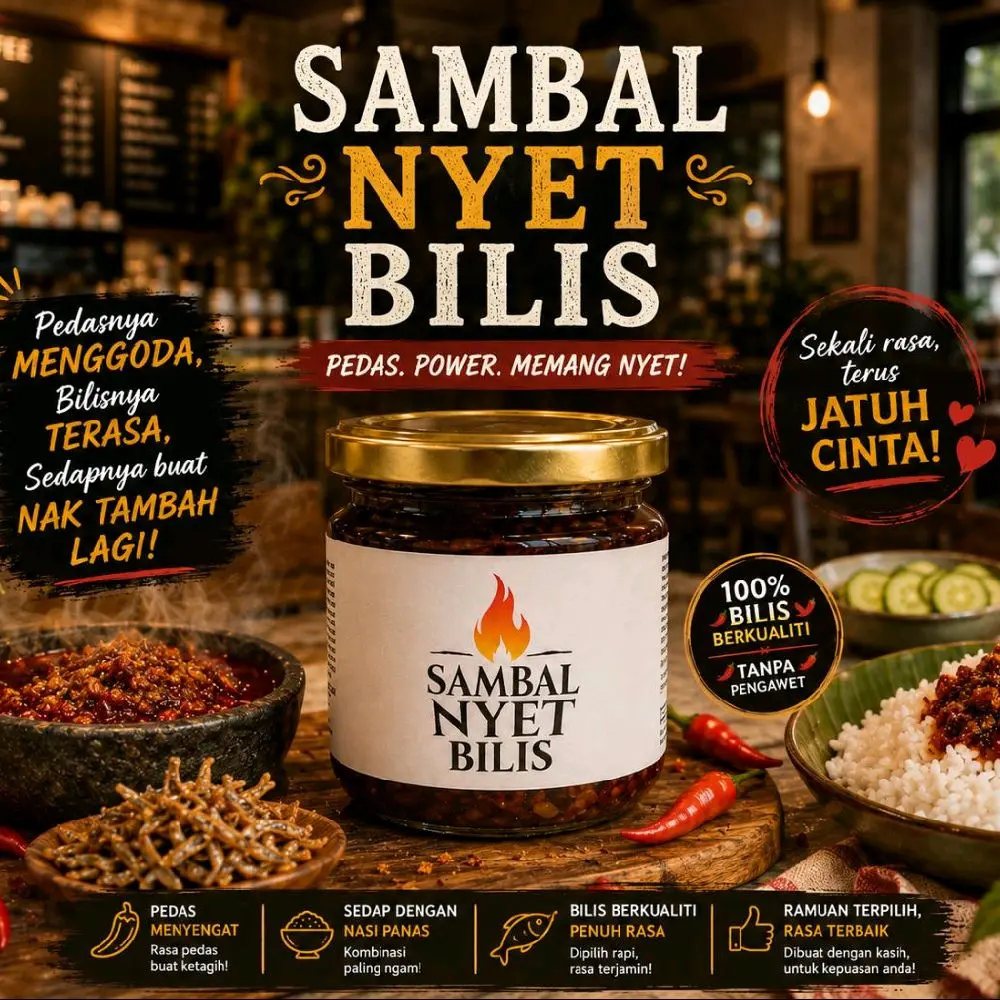
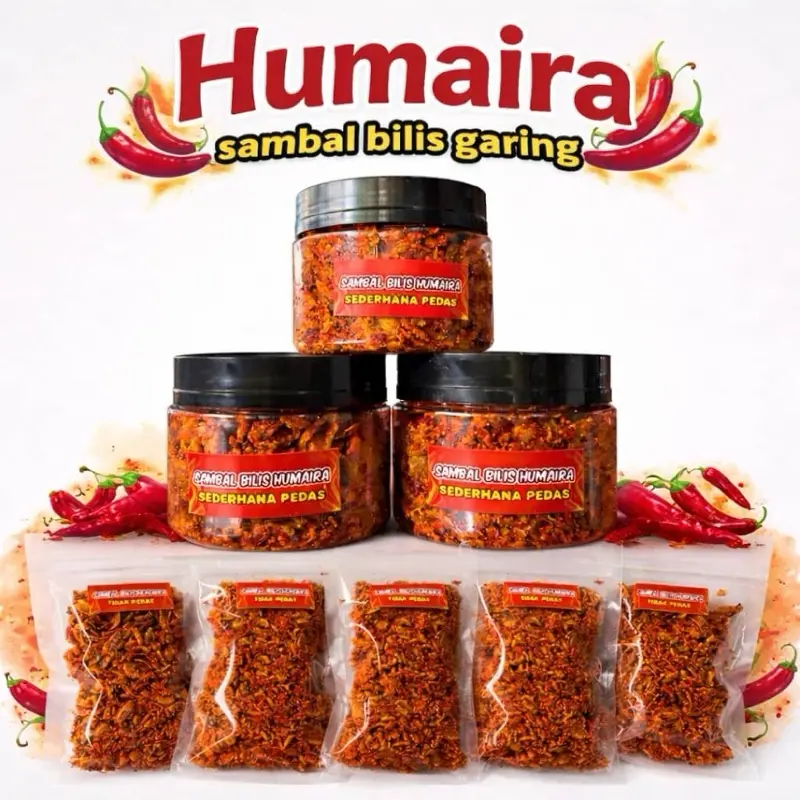
For the viral, hot-and-ready kind, Sambal Nyet Berapi is eaten straight from the jar. For texture, Humaira Sambal Bilis Garing adds crispy anchovies. More options in the best Malaysian sambal to buy — and see how sambal compares to chilli oil in chilli oil vs chilli crisp vs sambal.
Storing them
Follow the pack: drier, cooked sambals often keep at room temperature, fresher ones go in the fridge once opened. Always use a clean, dry spoon — more in how to store sambal and chilli oil.
Featured in this guide
Shop these at OmniCart
Everything here is halal and delivered nationwide in 2–3 days, with same-day groceries in KL & PJ.
Start shopping ›